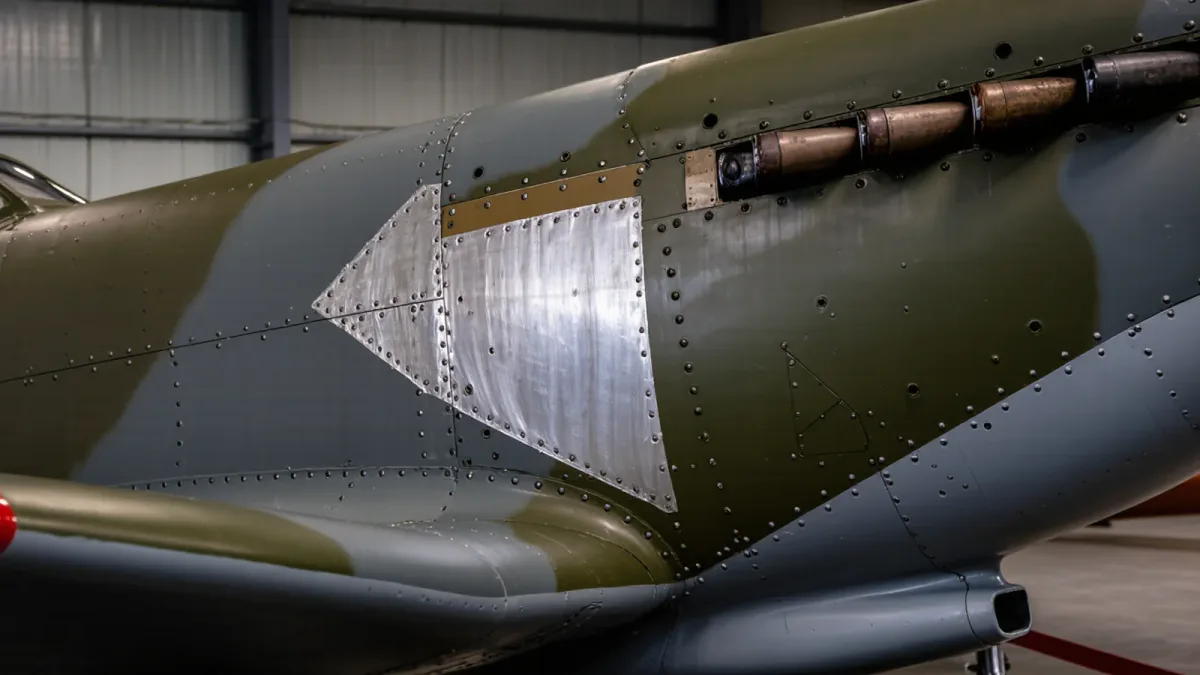
Inside the Air Force Split: Procurement vs. Sustainment Dollars
The Air Force budget divides into what it buys and what it keeps flying, and sustainment costs dominate most weapon systems' lifetime bills.
Aviation covers military and dual-use aircraft in detail: airframe design, propulsion, avionics, flight test campaigns and the maintenance burden that follows delivery. Reports track certification steps, sortie rates and known deficiencies. Intended for engineers, aircrew, procurement staff and readers who want an aircraft explained rather than photographed.
Airframes, engines, avionics and flight test campaigns followed from first flight through fleet maintenance, certification and the fixes nobody advertises.
The Air Force budget divides into what it buys and what it keeps flying, and sustainment costs dominate most weapon systems' lifetime bills.
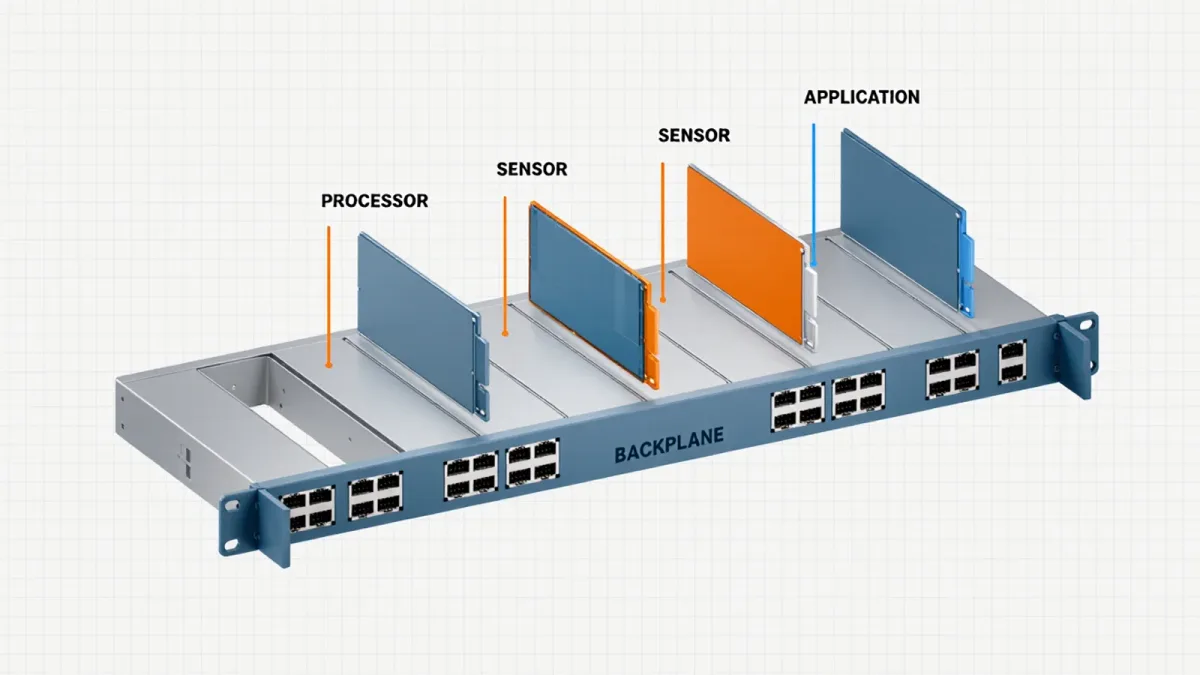
Modular open systems approaches turn aircraft electronics into plug-and-play standards, cutting years off upgrades and ending vendor lock on flight-line software.
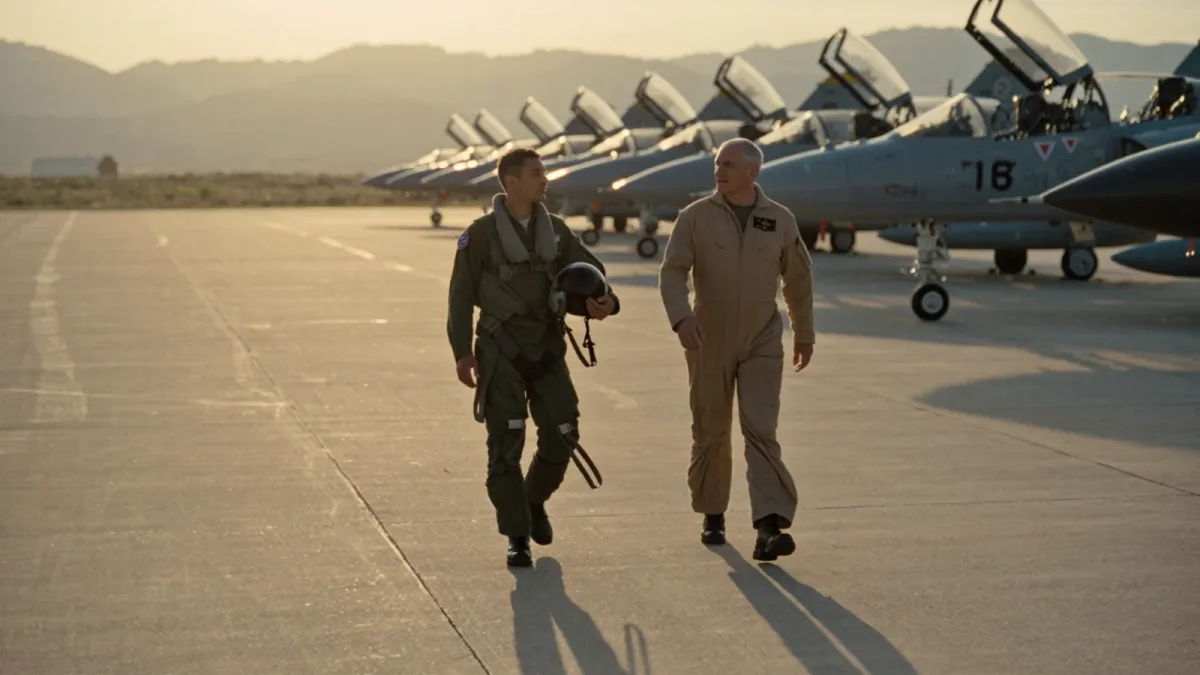
The T-7A is meant to replace a 1960s-era trainer and lift pilot output, but ejection seat fixes and a delayed production decision keep the bottleneck open.
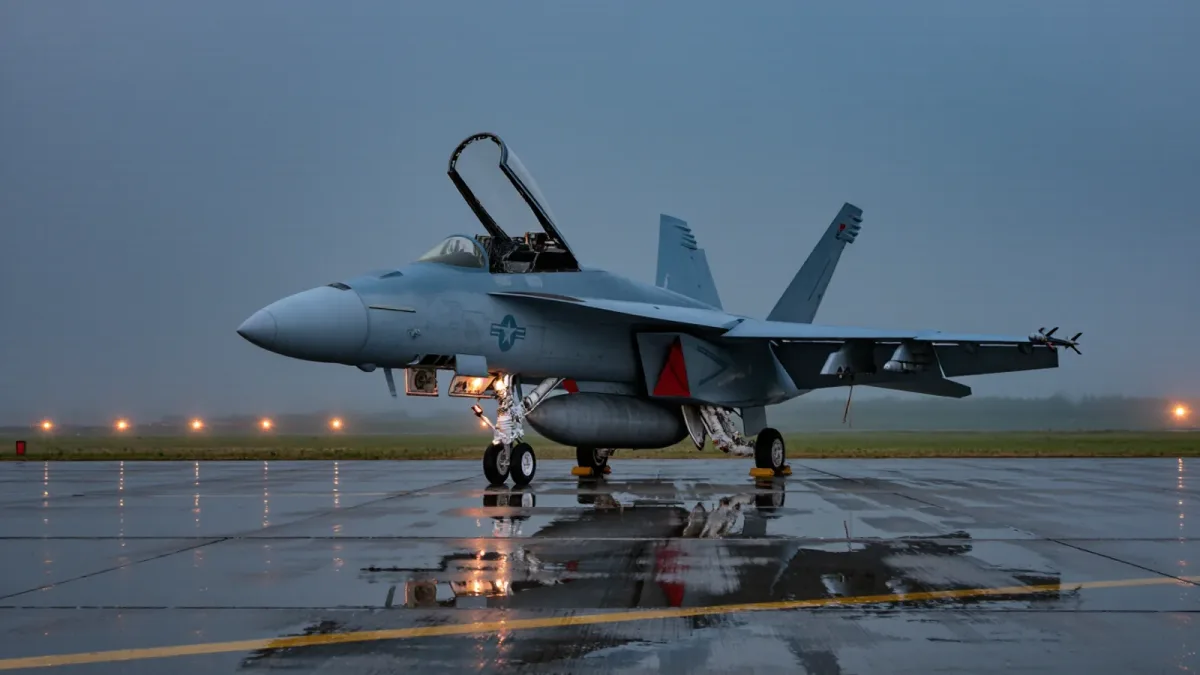
Encrypted interrogation-and-response transponders give radar operators a way to tell allied aircraft from targets, though the system is a filter, not a guarantee.
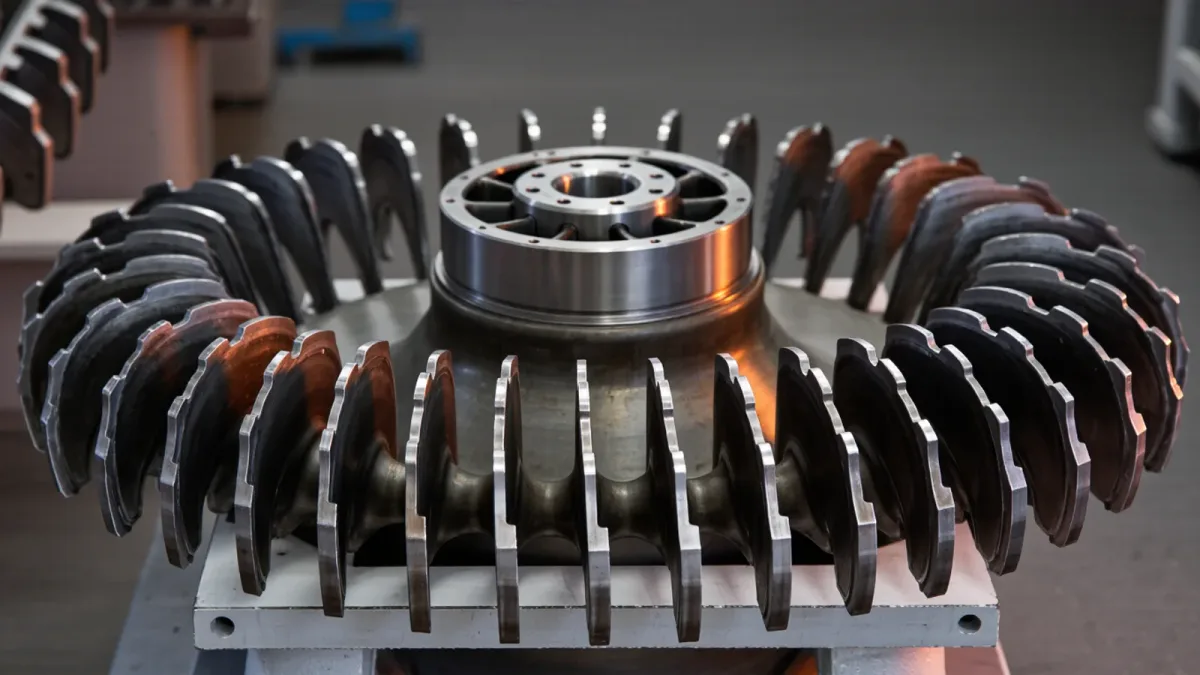
Depot queues for military jet engines have stretched past standards, and GAO reporting ties the backlog directly to lower aircraft availability rates.
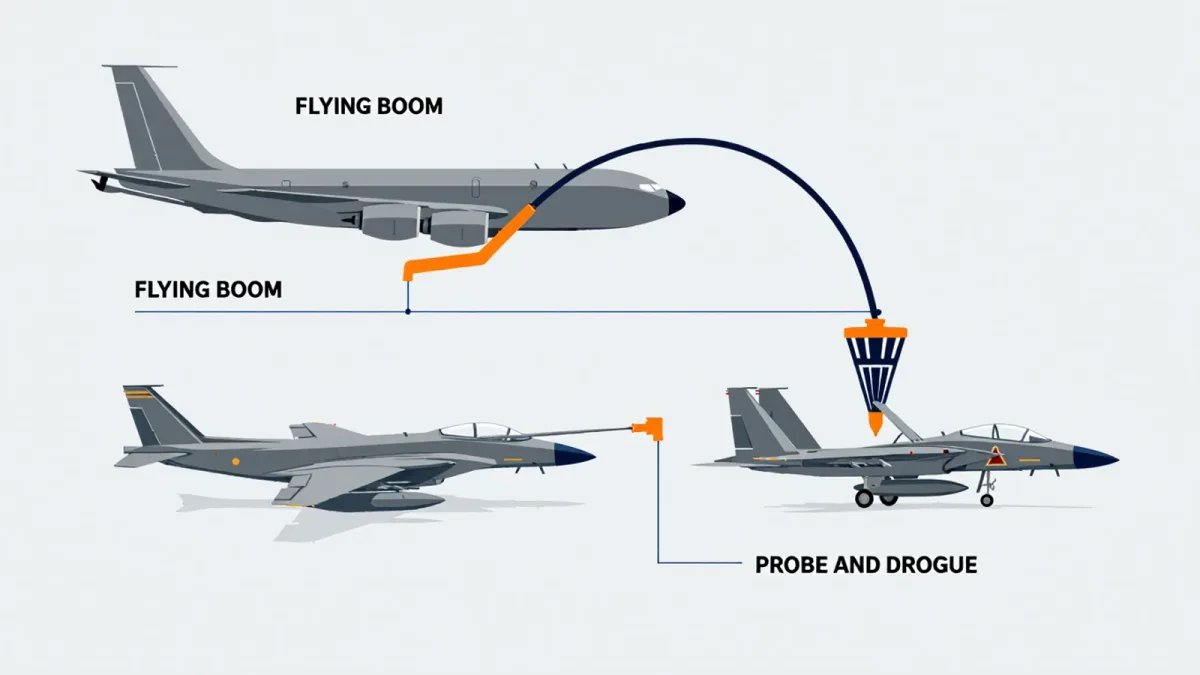
The US Air Force refuels through a flying boom while the Navy and most allies hang a hose and basket, and the split still shapes fleets, budgets and compatibility.